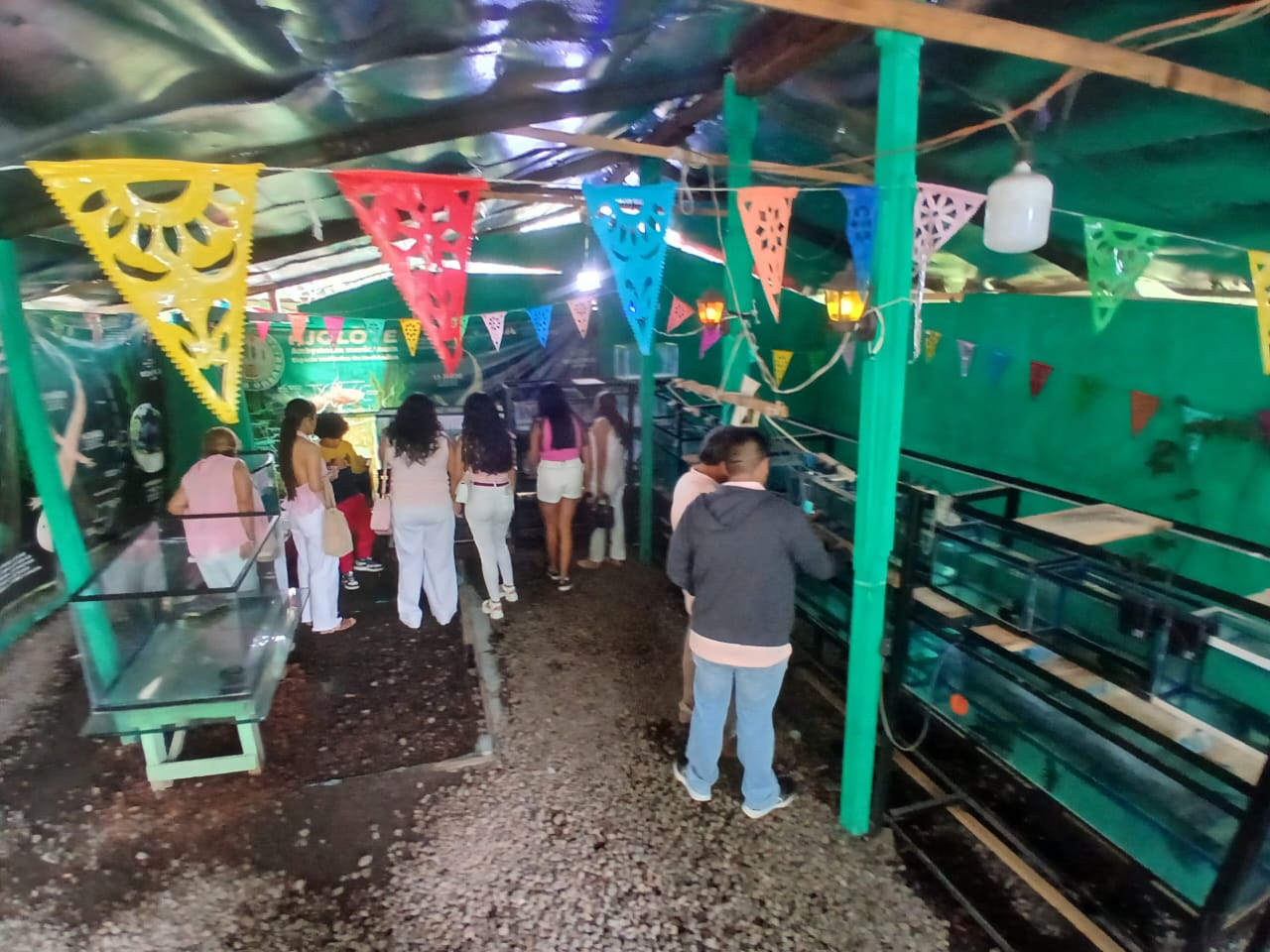
Conservation & Axolotl Sanctuaries
From our laboratory in Coyoacán to our community cooperatives in Xochimilco
From the reproduction laboratory in Coyoacán to the expansion of our community cooperatives in Xochimilco — conserving the genetic diversity of the Mexican axolotl with science, community, and circular economy.
Santuario Ajolote · CIMA A.C. · Coyoacán → Xochimilco, Mexico City
Integral Project
The Mexican axolotl (Ambystoma mexicanum) represents one of the most important species on the planet for science and biodiversity. However, it currently faces a critical crisis derived from habitat loss, pollution, and genetic inbreeding. Santuario Ajolote and CIMA A.C. develop an integral project of genetic conservation, ecological restoration, and community economy to prevent the functional extinction of the Mexican axolotl in the wetlands of Xochimilco.
Our History
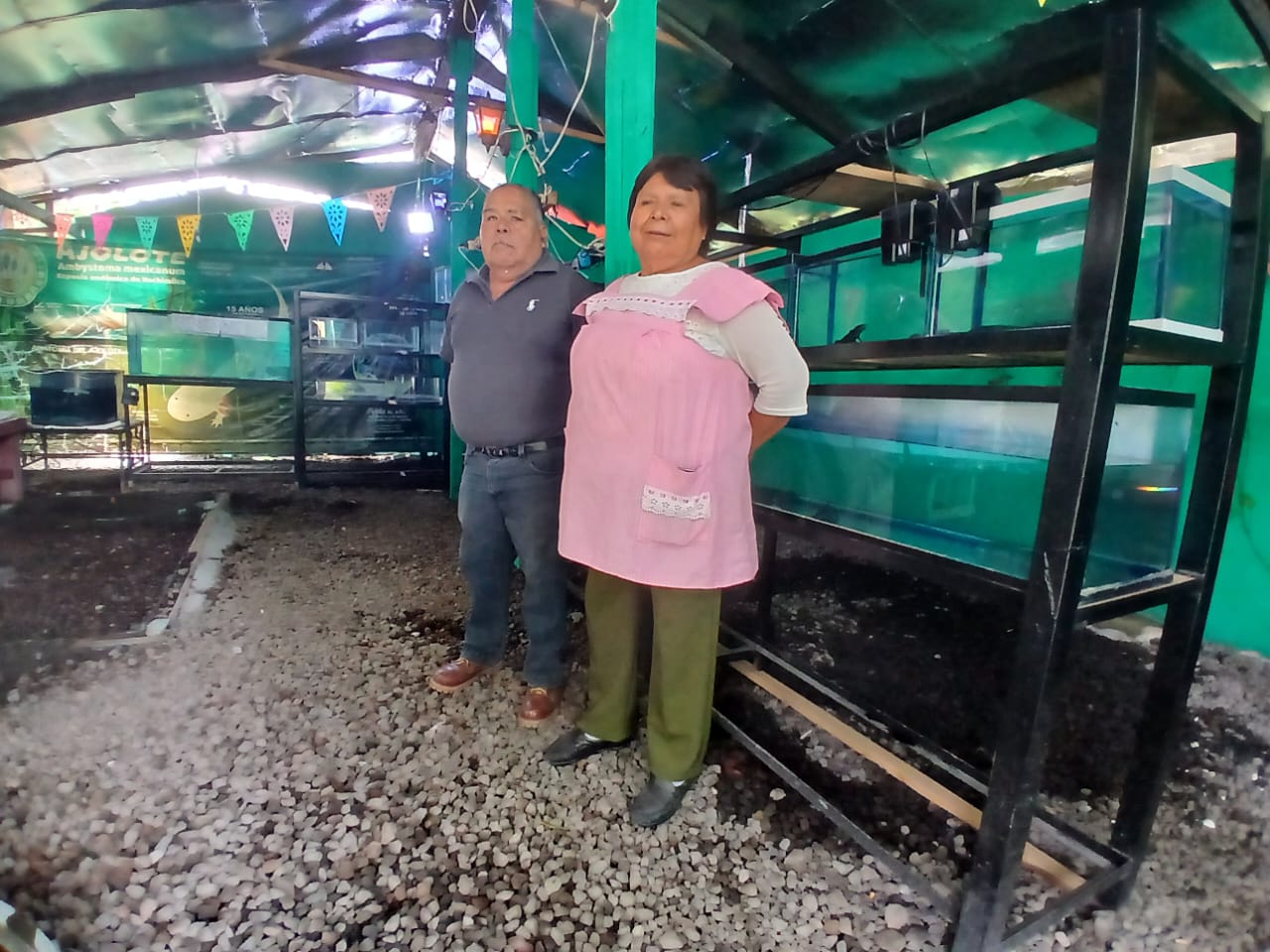
The project was born in Xochimilco alongside Doña Josefina and Don Roberto, when the Hernández family faced the possibility of selling their chinampas due to economic problems. Through a model of circular economy and environmental conservation, the loss of these lands was prevented and a community cooperative was created that currently benefits more than 150 families of the Fernando Celada dock. These families have become guardians of the Mexican axolotl and active protectors of the wetland.
Genetic Bank and Conservation
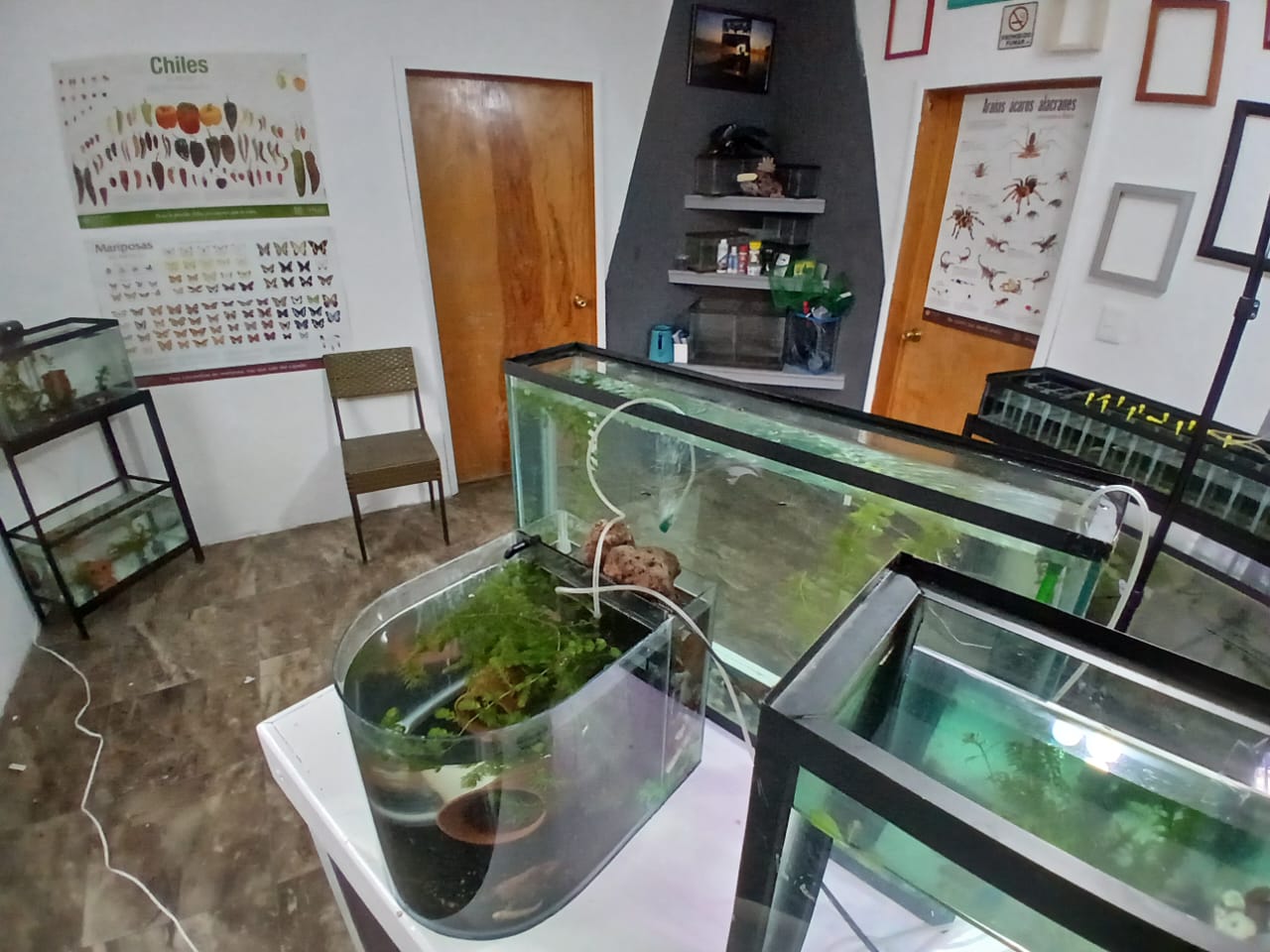
For more than five years, a search was conducted for historical genetic lines from traditional axolotl sanctuaries, chinampas, and local projects in Xochimilco and Tláhuac. Currently the project conserves 11 genetic families derived from historical specimens from the wetland. The objective is to prevent inbreeding and develop a traceable genetic bank to study the genetic bottleneck the species faces.
Hypermelanoid Phenotype
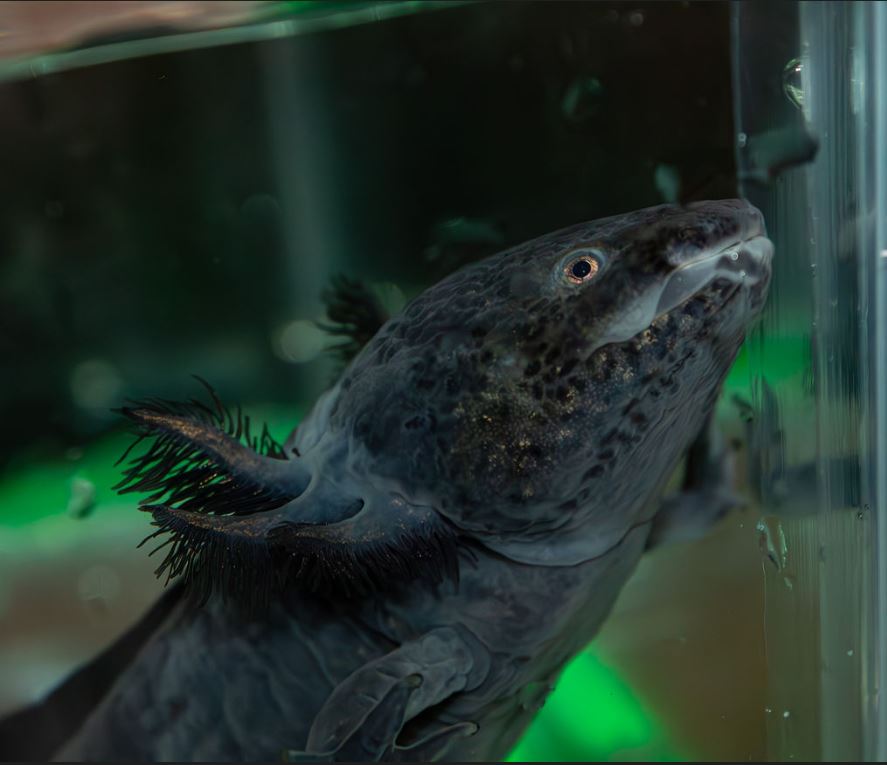
The laboratory conducts research around the hypermelanoid phenotype, considered close to the original wild color of the Mexican axolotl. The goal is to study recessive genes related to pigmentation, adaptation, and environmental resistance, selecting specific lines for future reproductive programs.
Genetic Diversity of the Laboratory
The laboratory maintains multiple genetic lines representing the phenotypic diversity of the Mexican axolotl. Each line is tracked, documented, and carefully crossbred to preserve the functional genetic diversity of the species.
Wild type line
Mottled brown coloration close to the original phenotype
Leucistic line
Pale skin with reddish gills
Hypermelanoid line
Dark coloration, recessive pigmentation genes
Xanthic line
Yellow and golden tones
Scientific Collaborations
Santuario Ajolote maintains collaboration with academic and scientific institutions to strengthen axolotl genetic research. As part of these collaborations, 11 specimens were donated for studies on genetics, inbreeding, health, and adaptation to artificial wetlands.
Social Impact
The project goes beyond biological conservation. It is a community economy model where science, tradition, and social welfare converge to protect the axolotl and the families that inhabit the wetland.
Environmental
- •Conservation of 11 genetic families
- •Inbreeding prevention
- •Traceable genetic bank
- •Research on recessive genes
Social
- •Benefit to more than 150 families
- •Active community cooperative
- •Guardians of the axolotl
- •Community circular economy
Economic
- •Circular economy model
- •Prevents sale of chinampas
- •Economic spillover at the dock
- •100% reinvestment in conservation
Scientific
- •Donation of 11 specimens for research
- •Collaboration with CINVESTAV and CORENA
- •Adaptation studies to wetlands
- •Genetic documentation of the species
From the Coyoacán Laboratory to the Xochimilco Cooperatives
The reproduction laboratory is located in Coyoacán, Mexico City, but its purpose transcends its walls: to feed the expansion of the model in our community cooperatives of Xochimilco. The genetic lines safeguarded in Coyoacán are destined for the creation of new axolotl sanctuaries within the cooperatives of the Xochimilco wetland, where each family custodies a fragment of the genetic bank and becomes an active guardian of the species. The Coyoacán greenhouse is the scientific heart; the chinampas and cooperatives of Xochimilco are the community body that brings the project to life.
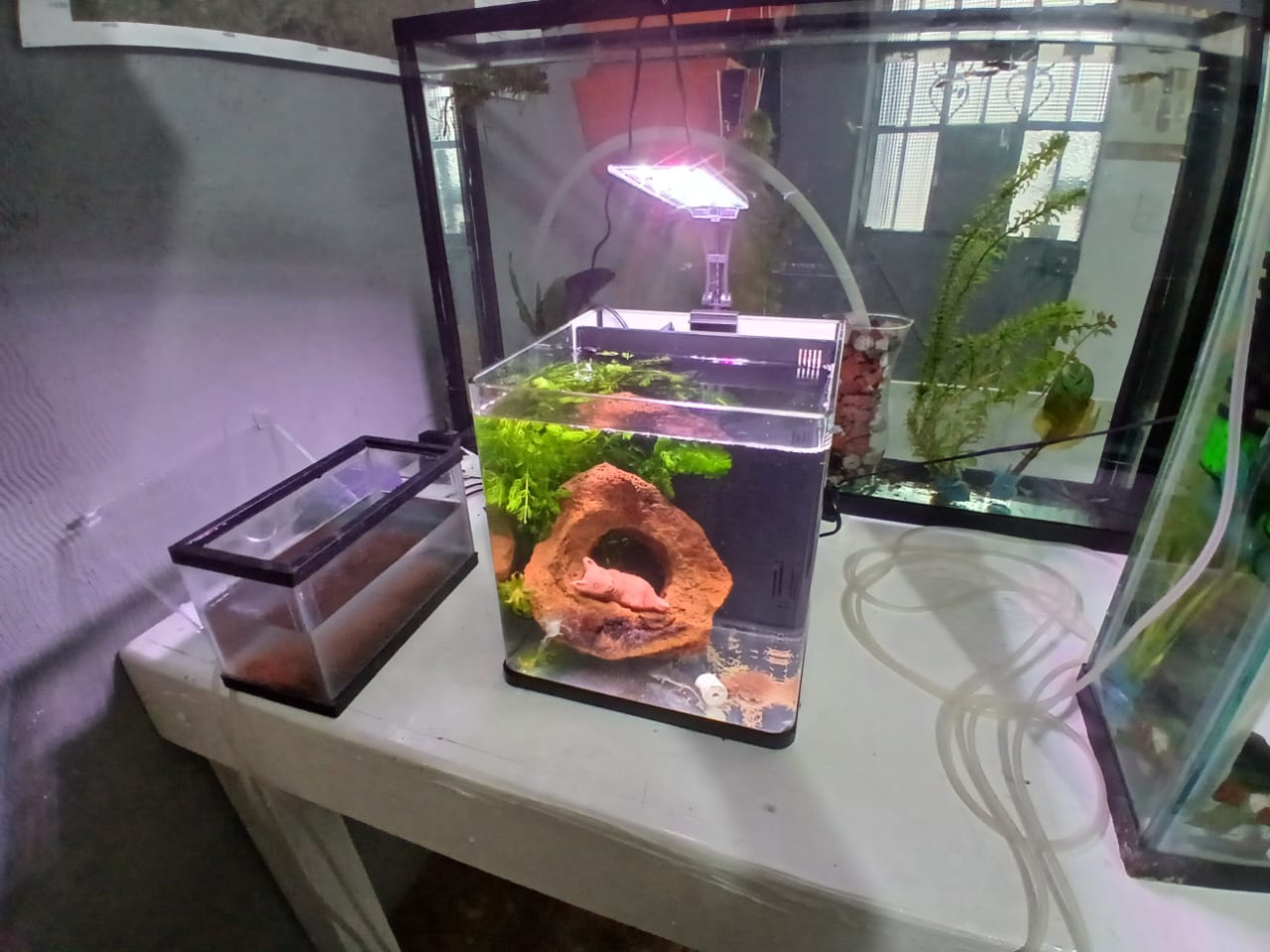
Expansion in Xochimilco
Santuario Ajolote's vision is to consolidate the expansion of the Coyoacán → Xochimilco model: bringing the genetic lines safeguarded in the laboratory to new community cooperatives of the wetland, creating a network of community axolotl sanctuaries that ensure the diversity of the species before the point of no return. Each cooperative in Xochimilco becomes a living sanctuary. The conservation of the axolotl is the conservation of the wetland, and the conservation of the wetland is the conservation of an entire community.
Support This Project
Your help makes genetic conservation of the Mexican axolotl possible. Donate or contact us to collaborate as a company.
Make a Donation
Every contribution funds genetic conservation, specimen care, and axolotl habitat protection.
Donate nowCorporate Support
Is your company interested in supporting genetic conservation and axolotl research? Contact us.
Contact via WhatsApp