Helmeted Turtle Refuge of Xochimilco
Conservation genetics, scientific research, habitat restoration & citizen protection
Conservation begins with understanding — we must study this species before it disappears.
Santuario Ajolote · CIMA A.C. · Xochimilco, Mexico City
Executive Summary
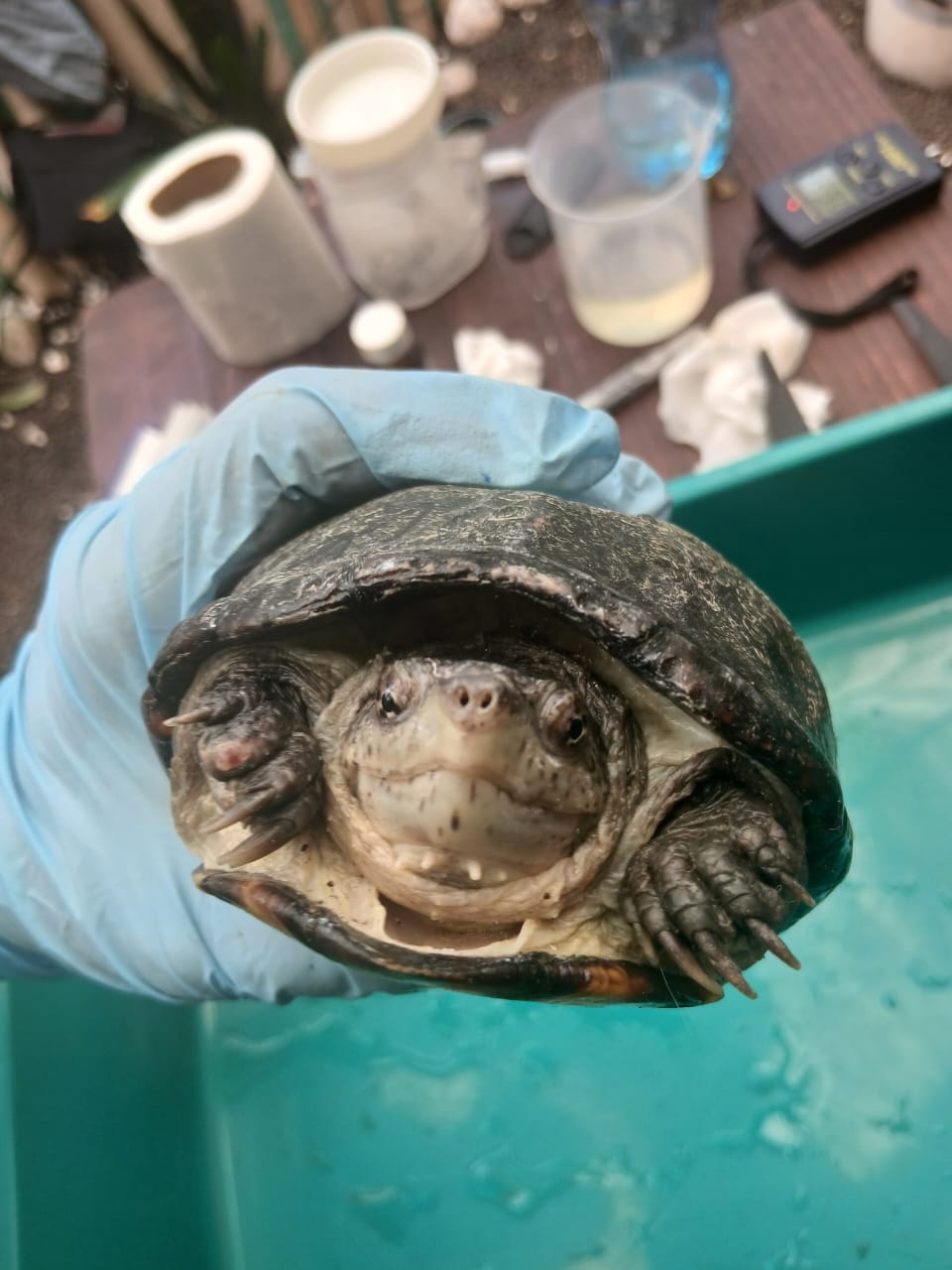
The Helmeted Turtle Refuge of Xochimilco is a conservation project for a freshwater turtle population historically linked to the Xochimilco lake system. The target species is Kinosternon hirtipes hirtipes. The project arises from the need to understand the current status of these populations, determine their genetic diversity and structure, and create a specialized space for conservation, research, environmental education, and habitat recovery. The project is currently in the UMA registration process, while sampling continues: 8 specimens sampled with biological material destined for genetic analysis.
The Scientific Hypothesis
The project seeks to evaluate the hypothesis that Xochimilco constitutes a genetic reservoir and a site of historical importance for Kinosternon hirtipes hirtipes, using conservation genetics tools. This hypothesis is not presented as a proven fact, but as a scientific question that must be subjected to analysis. The samples obtained will allow comparing Xochimilco specimens and determining their genetic relationship with other populations.
Before asking how many turtles we can save, we must discover how much genetic history of Xochimilco still lives within them.
The Project Is Already Generating Data
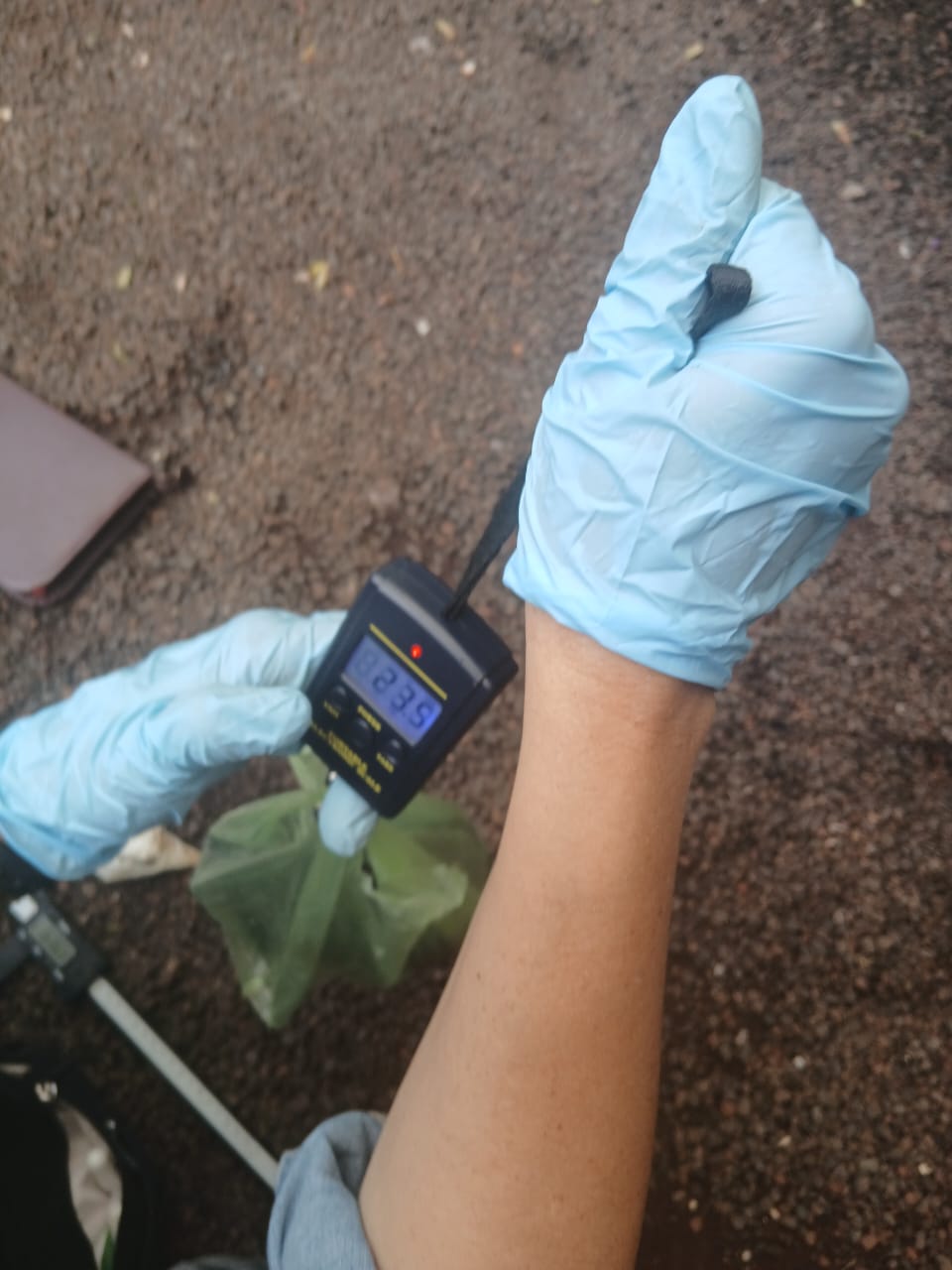
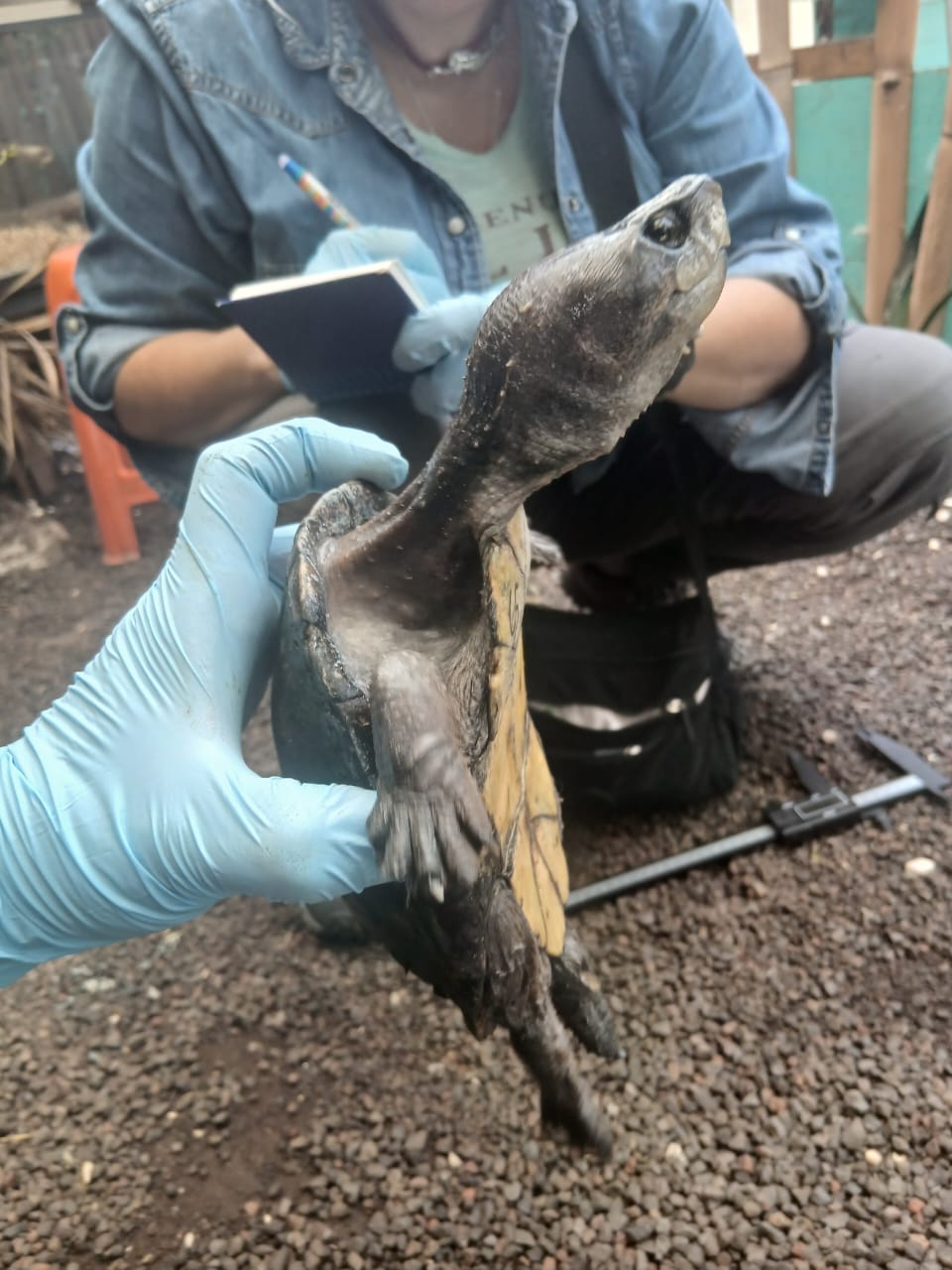
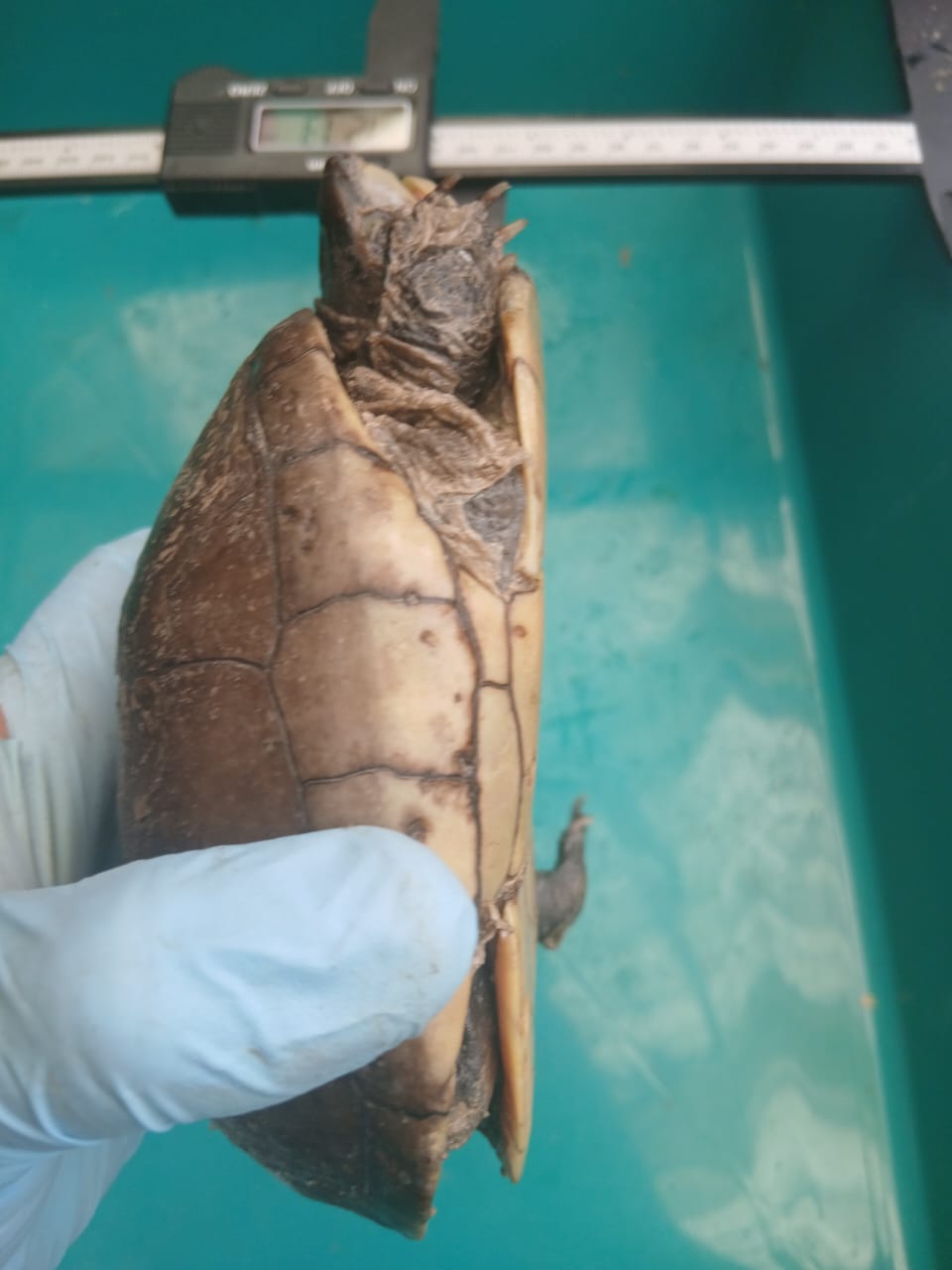
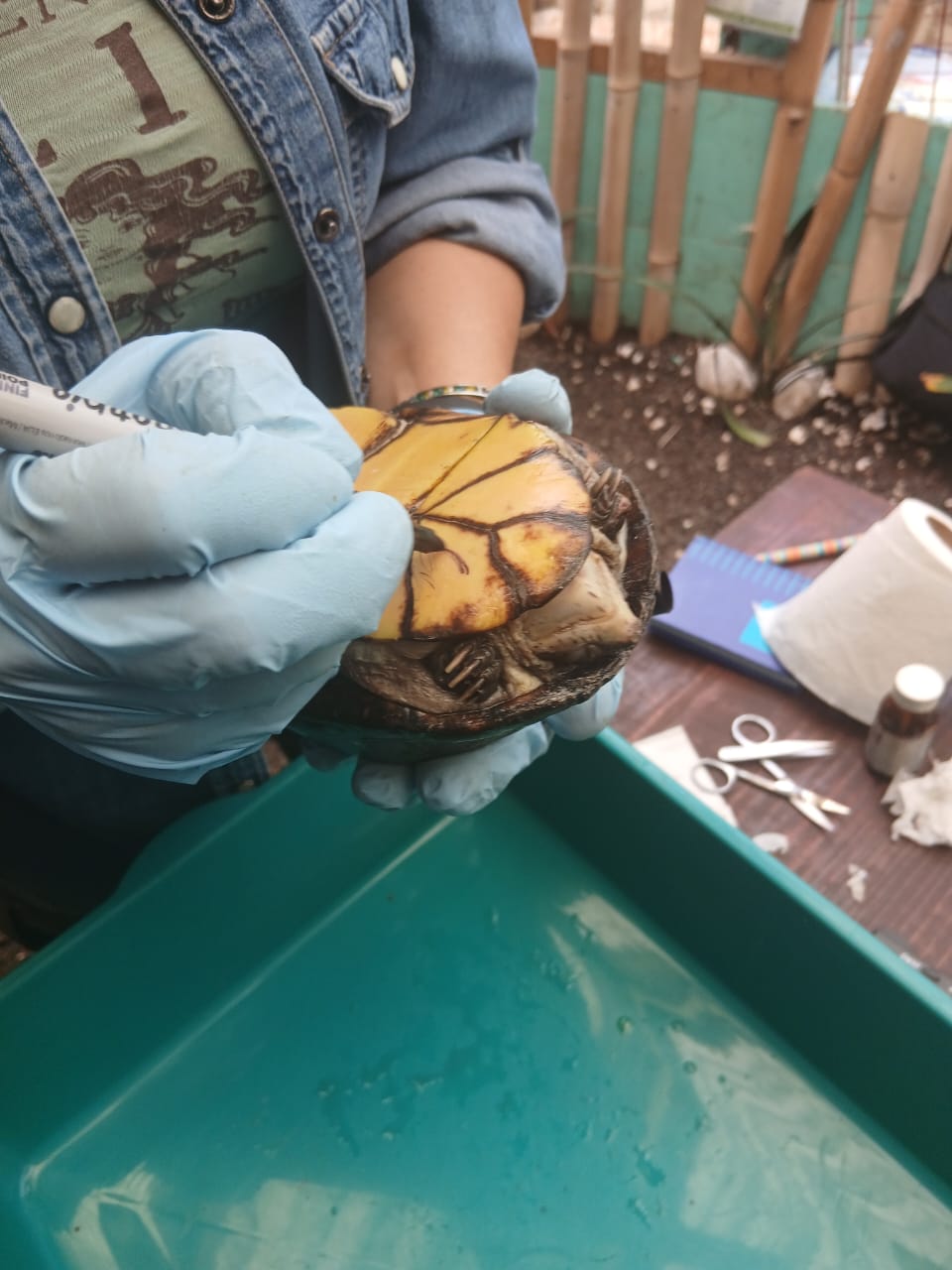
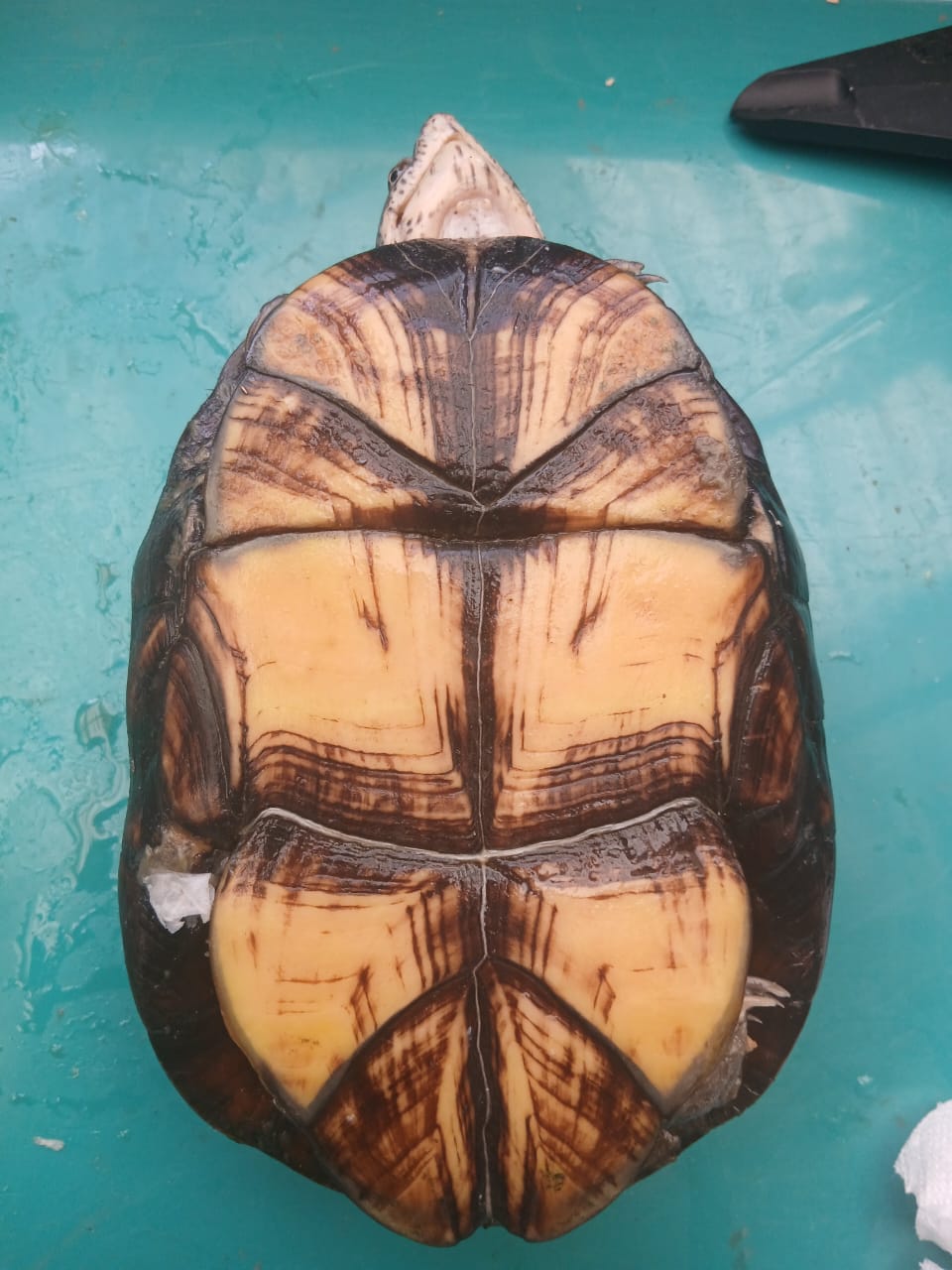
Unlike a purely conceptual project, the Refuge has already begun its research phase. To date: 8 helmeted turtles have been sampled and biological material is available for genetic analysis. This represents the first set of information to begin characterizing the population. The next stage involves expanding the number of samples and strengthening the research.
Why Conservation Genetics?
Modern conservation can no longer be based solely on counting individuals. We also need to know what genetic diversity they contain. A small population may appear to have enough specimens, but if all have very low genetic diversity, there may be a high risk of: inbreeding, loss of variability, reduced adaptive capacity, disease, reproductive problems, and vulnerability to environmental changes. Genetic information will be used as a tool for future management decisions.
Scientific Leadership: Dr. Gracia Patricia González-Porter
The scientific component of the project is led by Dr. Gracia Patricia González-Porter, Head of the Ecological Restoration Laboratory at CIMA A.C. and a world eminence in genetic conservation of turtles. PhD in Biological Sciences from UNAM with Honorable Mention, she conducted research at the Genetics Laboratory of the Smithsonian Conservation Biology Institute and the National Museum of Natural History in Washington D.C. Specialist in herpetology, population genetics, and management of endangered species. She leads the Xochimilco Turtle Project (Kinosternon hirtipes hirtipes) since 2020, sponsored by the Turtle Conservation Fund and Chelonian Research Foundation. She belongs to the Turtle Survival Alliance and the IUCN/SSC Tortoise and Freshwater Turtle Specialist Group.
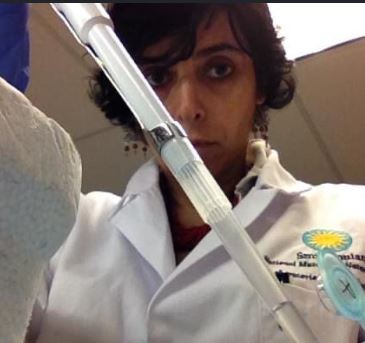
Dra. Gracia Patricia González-Porter
CIMA A.C.
World eminence in genetic conservation of turtles. PhD in Biological Sciences from UNAM. Research at the Smithsonian Conservation Biology Institute.
From Research to Conservation
The Refuge is not intended to be solely a place where turtles are kept. Its goal is to build a conservation infrastructure that integrates research, monitoring, management, refuge, reproduction, restoration, education, and citizen participation.
We Cannot Conserve the Turtle Without Conserving Xochimilco
The helmeted turtle is part of the ecosystem. The Refuge must connect with the recovery of water bodies, canal restoration, vegetation recovery, water quality, chinampa conservation, and pollution reduction. We do not just want to save turtles inside a refuge. We want to work so that one day the territory can again sustain healthy wild turtle populations.
Protection & Citizen Reporting
One of the main threats is the illegal trade and extraction of turtles. Complaints related to the sale of these turtles in Mexico City markets have been identified. Therefore, the project incorporates a citizen mechanism to report possible cases of sale, capture, suspicious possession, or illegal trade. The information received is channeled according to corresponding legal procedures. Science + Community + Conservation + Surveillance.
Comprehensive Refuge Model
Six lines of work structure the project.
1. Genetic Research
Sampling, analysis, and population characterization.
2. Monitoring
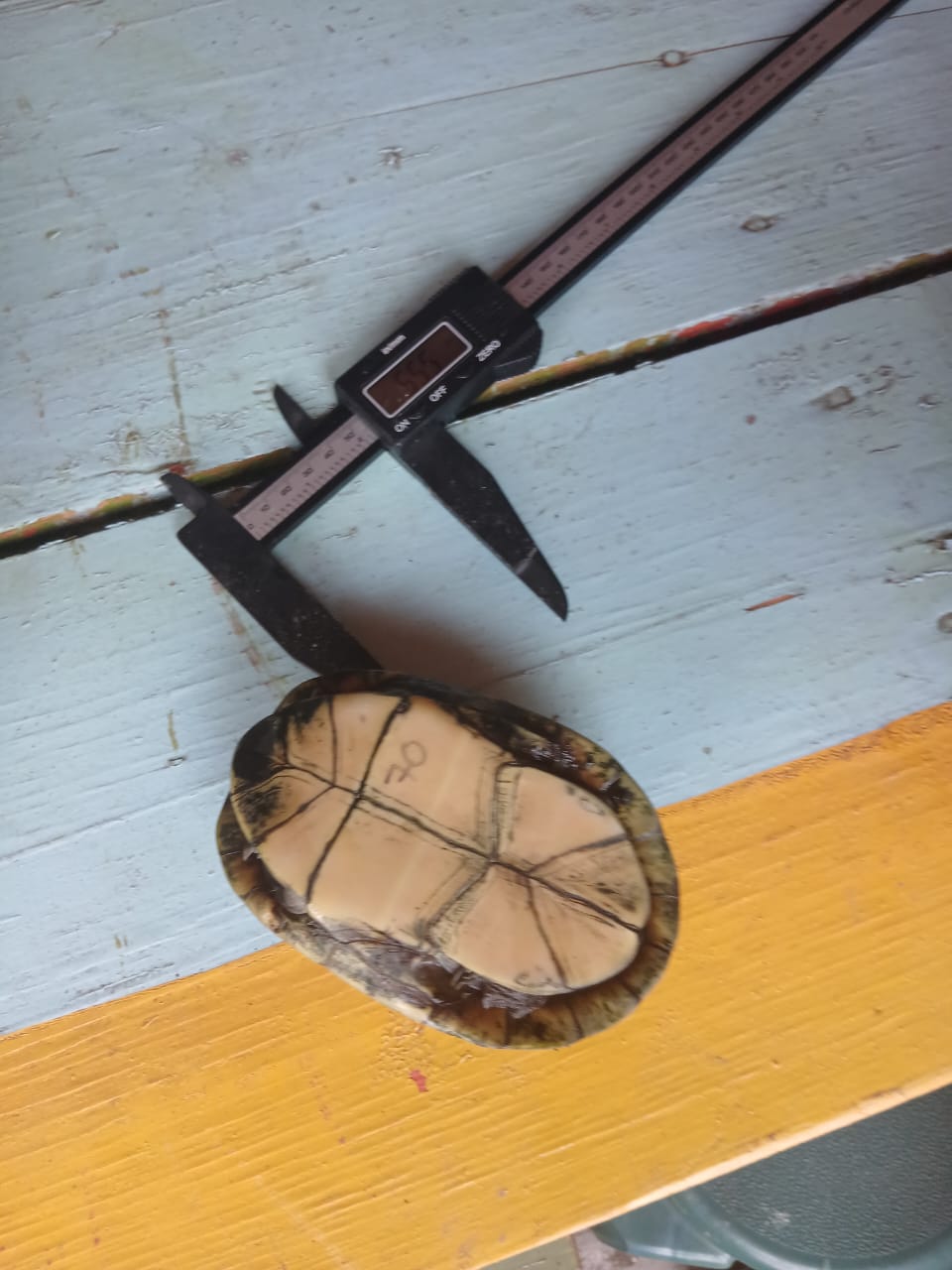
Identification and tracking of specimens.
3. Ex Situ Conservation
Responsible specimen management when needed.
4. Habitat Restoration
Recovery of ecological conditions.
5. Education & Participation
Training citizens, students, and producers.
6. Protection & Reporting
Citizen network against illegal capture and trade.
Research Gallery
Fieldwork with Kinosternon hirtipes hirtipes in Xochimilco
Support This Project
Your support makes the conservation of the helmeted turtle of Xochimilco possible.
Corporate Support
Is your company interested in biodiversity and conservation science? Contact us.
Contact via WhatsAppReport Illegal Trade
Report the sale, capture, or possession of helmeted turtles. Citizen surveillance against illegal trade.
Report now