Axolotl Habitat Rescue
7 Chinampas Restoration Project
Hydrological restoration, chinampa recovery, and ecological reconnection of the San Gregorio Atlapulco wetland.
Santuario Ajolote · Xochimilco, Mexico City
General Explanation
Discover the full scope of the restoration project
Project Overview
Agua por Xochimilco is a socio-ecological restoration project developed by Santuario Ajolote, whose goal is to recover the hydrological functionality of a strategic area of the San Gregorio Atlapulco wetland in Xochimilco. The project arises from decades of accumulated problems: modification of water flows, differential soil subsidence, flooding of former agricultural zones, loss of canals, deterioration of chinampas, water pollution, and loss of biodiversity. The proposal is not simply to restore one chinampa. It seeks to recover an entire system.
The system
water + canals + chinampas + biofilters + vegetation + agriculture + biodiversity + community
The Problem
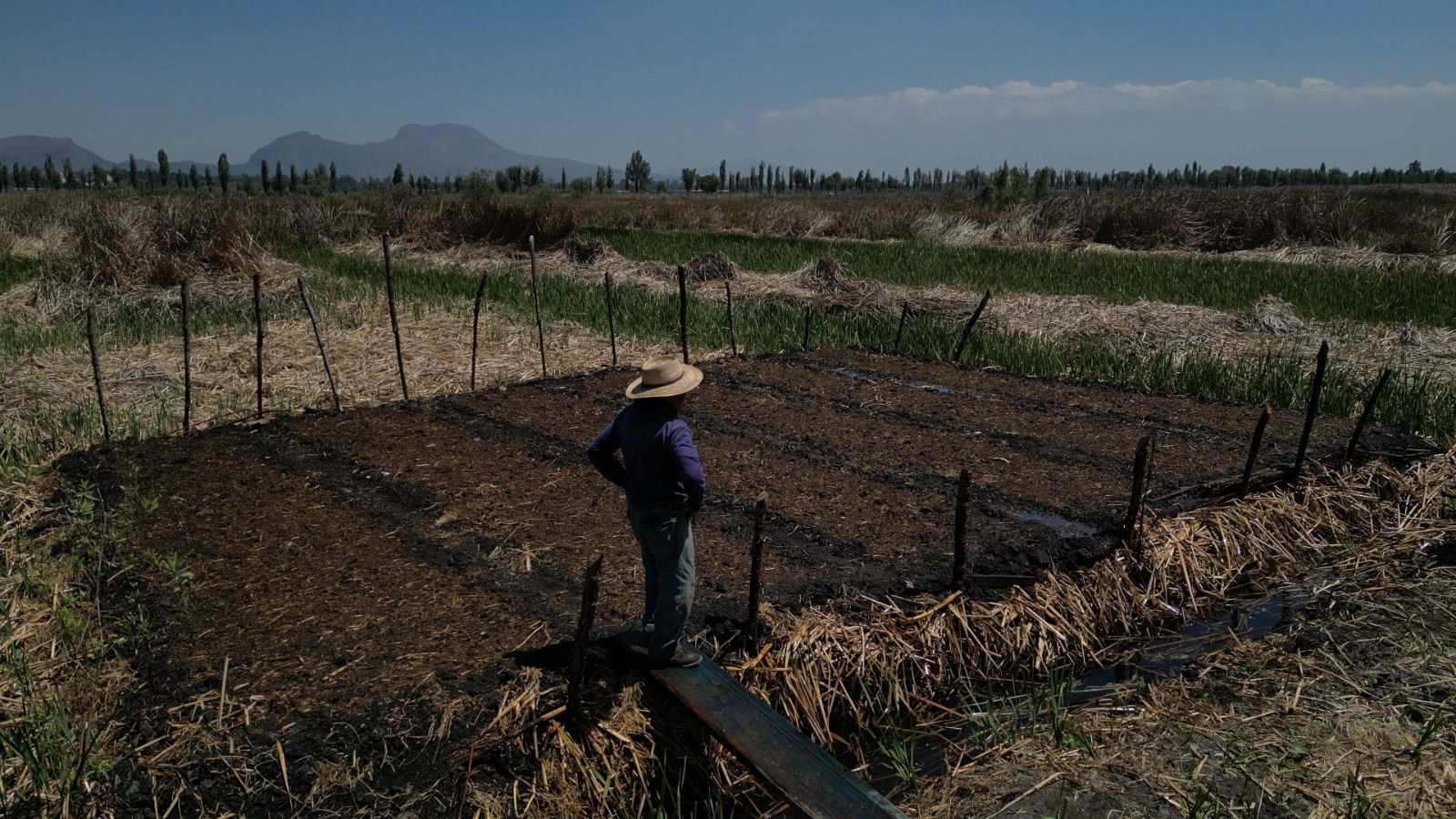
The chinampa system of San Gregorio Atlapulco has undergone a profound transformation. Soil subsidence, modifications to hydraulic flows, pollution, and the abandonment of certain agricultural zones have caused the loss of functionality in canals and chinampas. The project documents flooding and soil subsidence dating back to the 1980s, including significant impacts on the agricultural zones of San Gregorio Atlapulco.
The Solution: Restore the Hydrological System
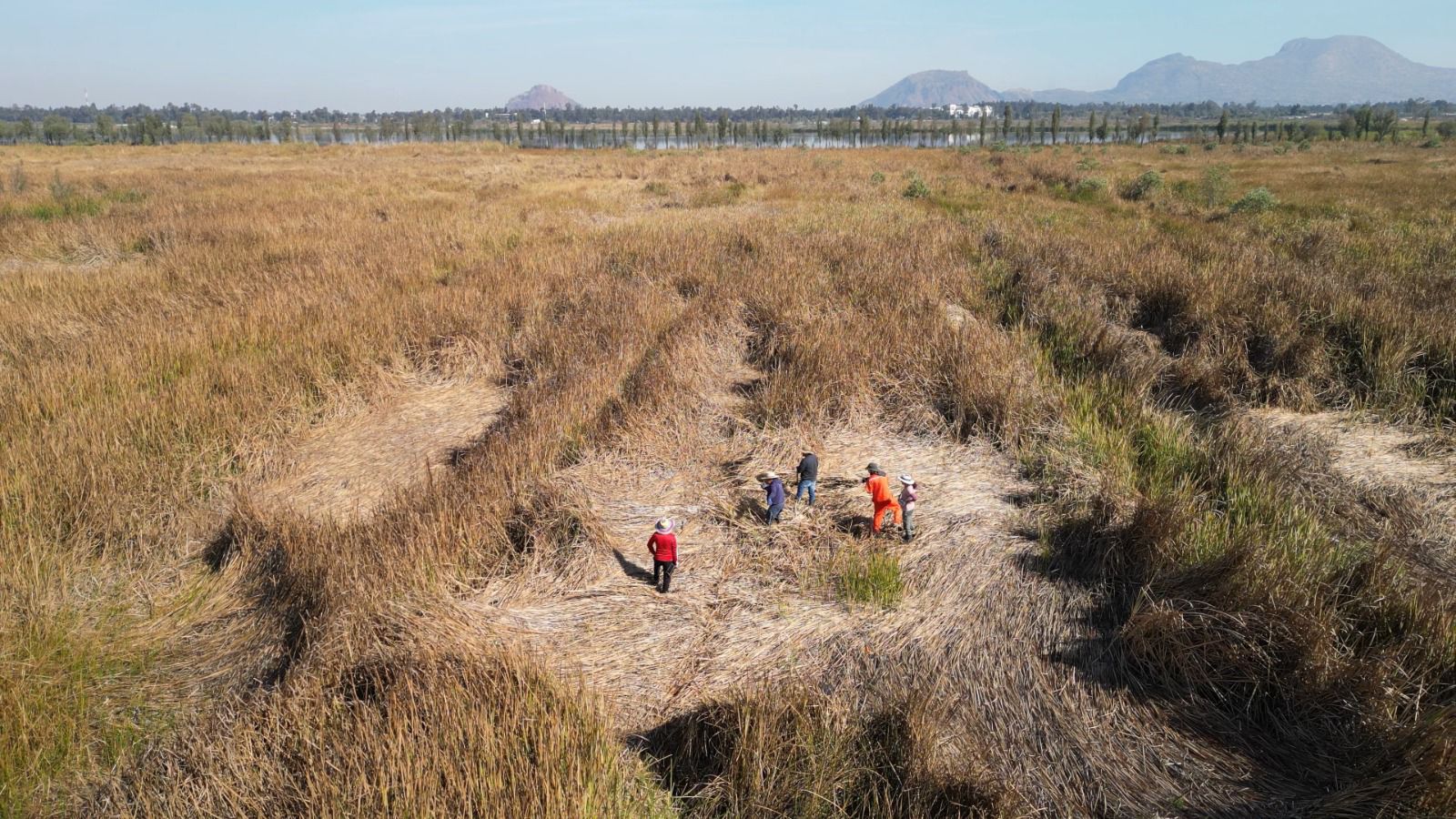
The project proposes to harness once again the natural water dynamics existing in the area. The goal is for water to circulate within the system in a functional way. It is not simply about removing water from a flooded zone. It is about recovering the historical relationship between water and the chinampa.
- 1Recover water flows
- 2Reconnect existing water bodies
- 3Recover historical canals
- 4Restore chinampas
- 5Integrate the system with existing biofilters
- 6Recover native vegetation
- 7Reactivate agricultural production
- 8Generate habitat for fauna and flora
Intervention Area
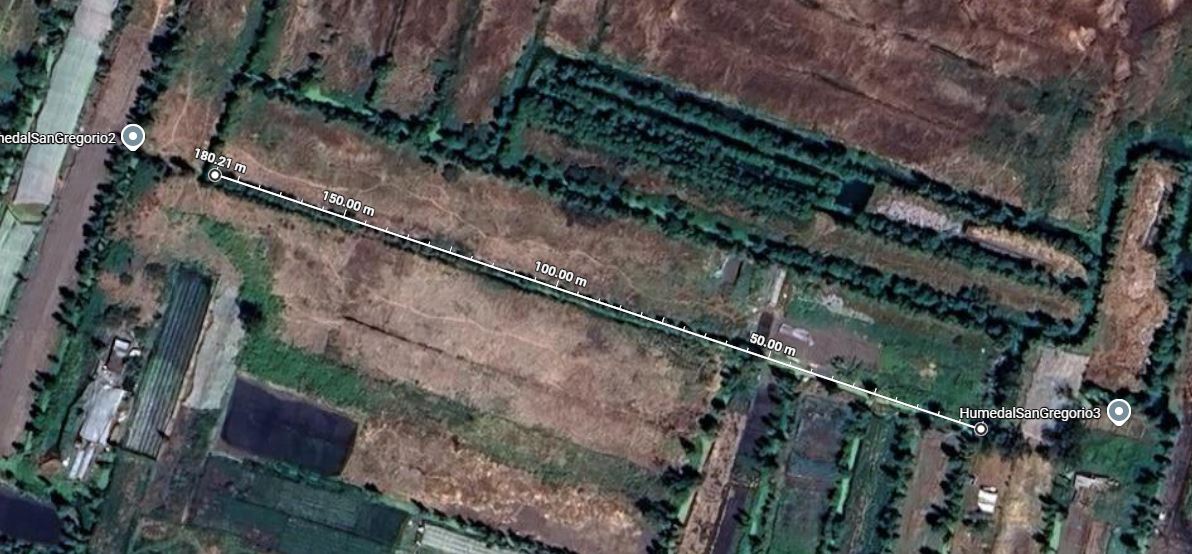
The project is being developed in the parajes (localities) of La Espejea and Tlalmelaqui, in San Gregorio Atlapulco. Within this zone there is a water body that represents a strategic opportunity to recover the hydrological connectivity of the system. The project plans to use this water body as a collection and distribution point to recover the connection with the chinampas and subsequently channel the flow toward the existing biofilter network.
Chinampa Recovery
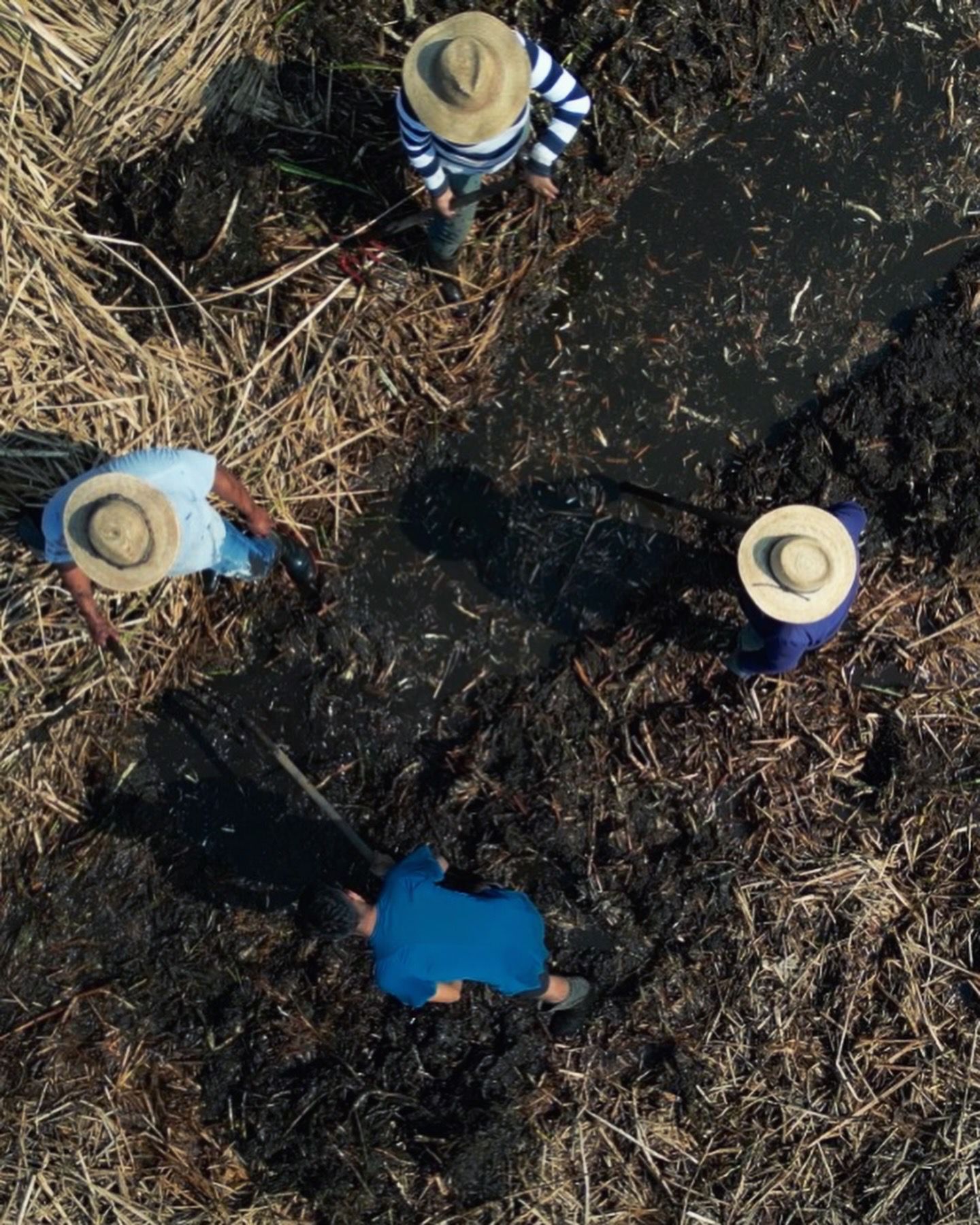
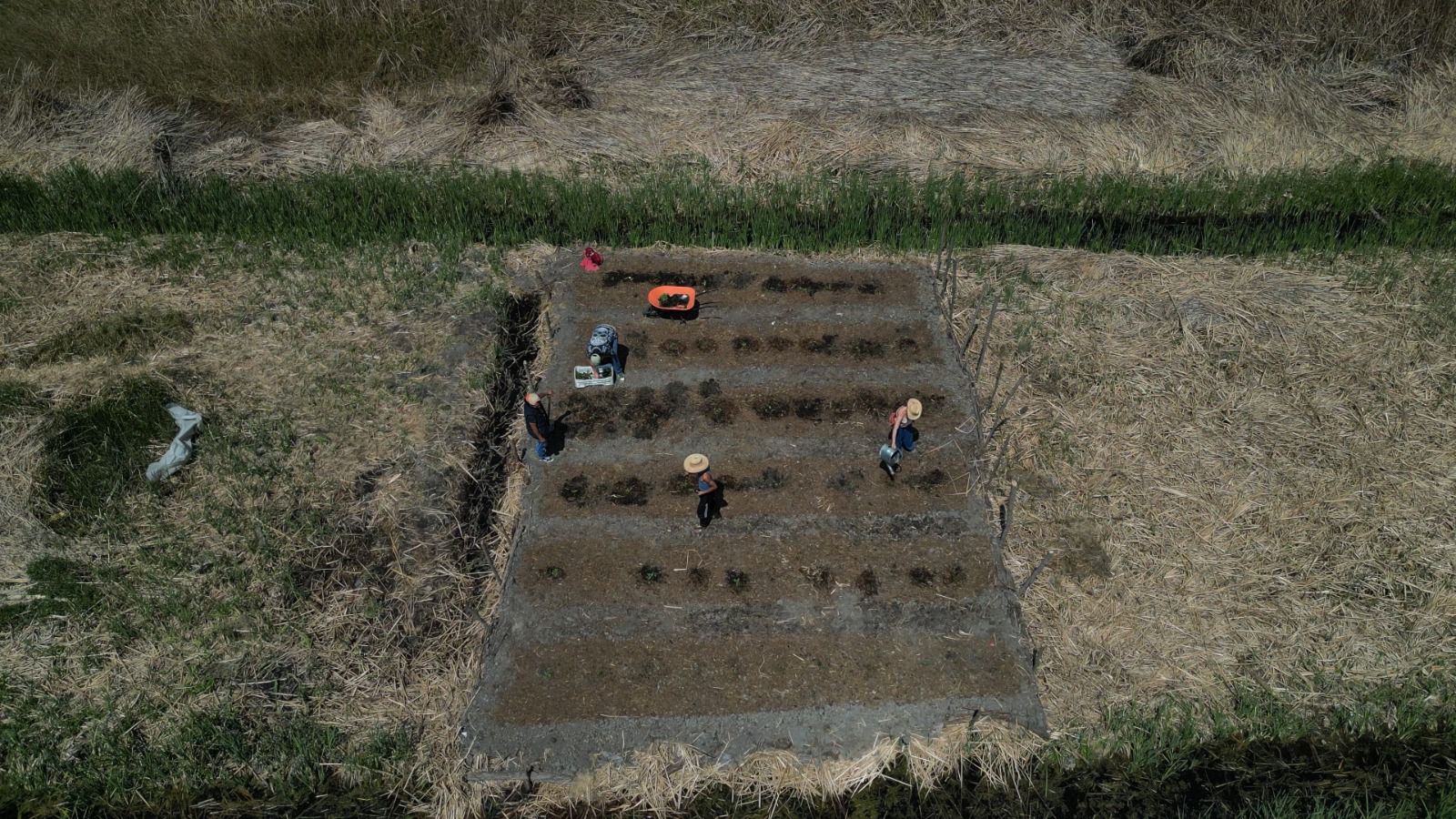
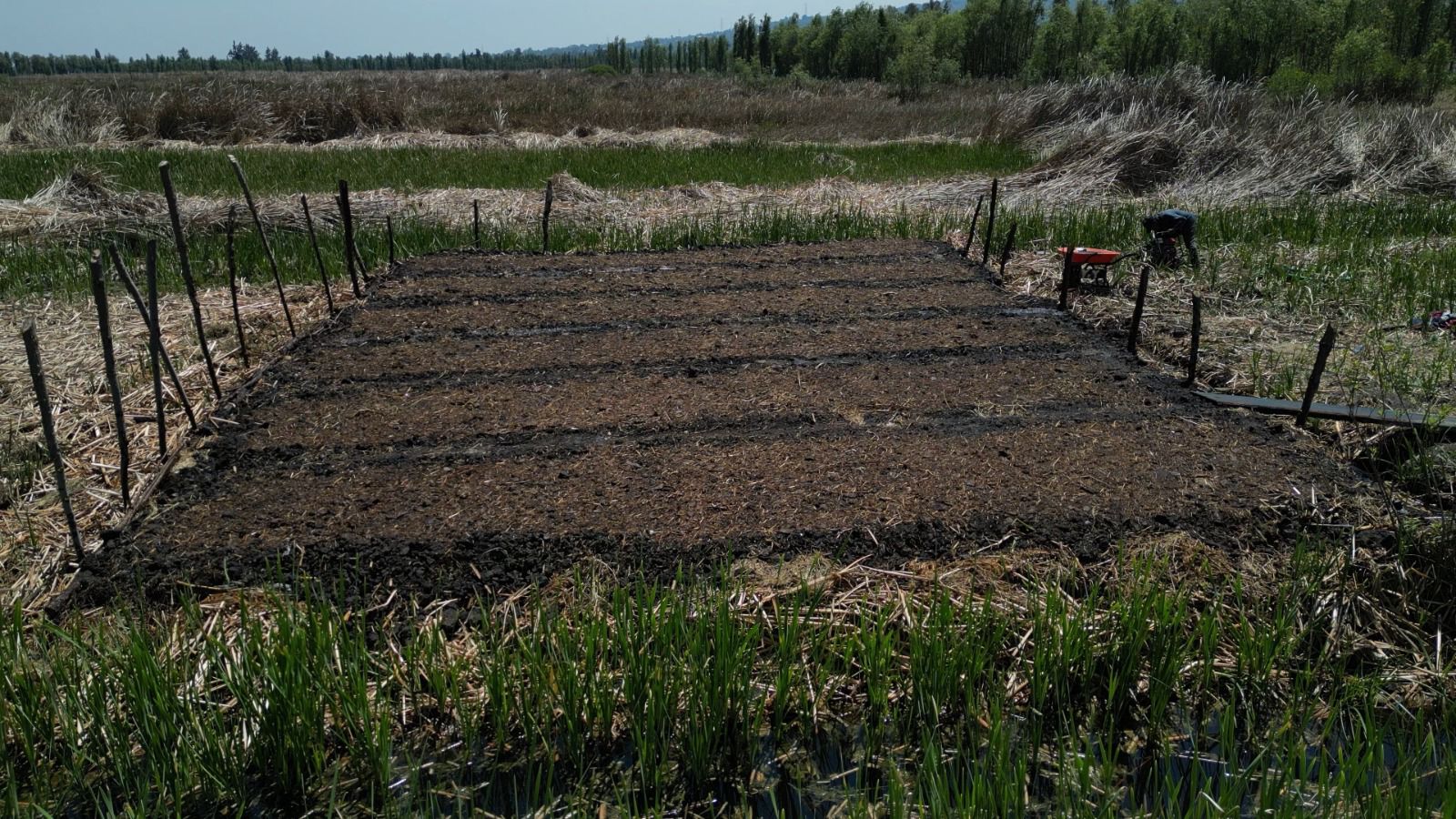
One of the central components is the recovery of seven chinampas and their surrounding canals. These agricultural structures are part of Xochimilco's traditional production system and also represent important ecological units. The project specifically documents the recovery of chinampas associated with Agustín Galicia and Roy Galicia, as well as the recovery of the historical layout of the seven chinampas.
Canal Recovery
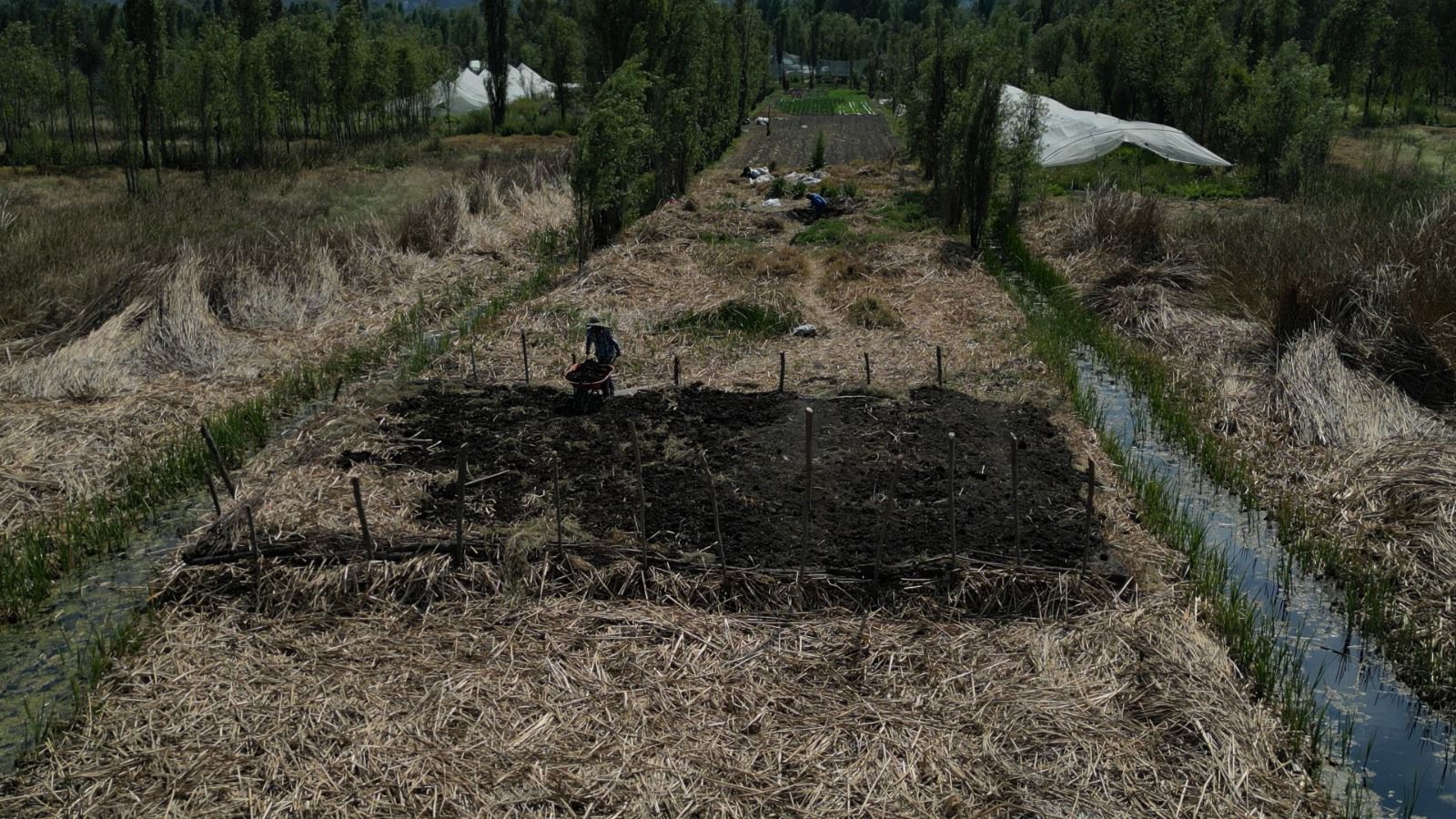
Canals are the ecological infrastructure that allows the chinampa system to function. Therefore, chinampa recovery necessarily requires recovering their canals. The canal ceases to be a border between chinampas. It once again becomes ecological infrastructure.
Biofilter Network
One of the most important components of the project is its integration with the network of biofilters and artificial wetlands previously developed by Santuario Ajolote. The goal is to leverage hydrological restoration to incorporate more water into the natural treatment system. Biofilters use biological processes associated with aquatic plants, microorganisms, and substrates to help reduce pollutants. The project does not start from scratch: it is expanding and connecting restoration infrastructure that already exists.
A Living Restoration Network
The proposal can be understood as an interconnected sequence. We are not building isolated elements. We are reconstructing the connectivity of an ecosystem.
Ecological Restoration
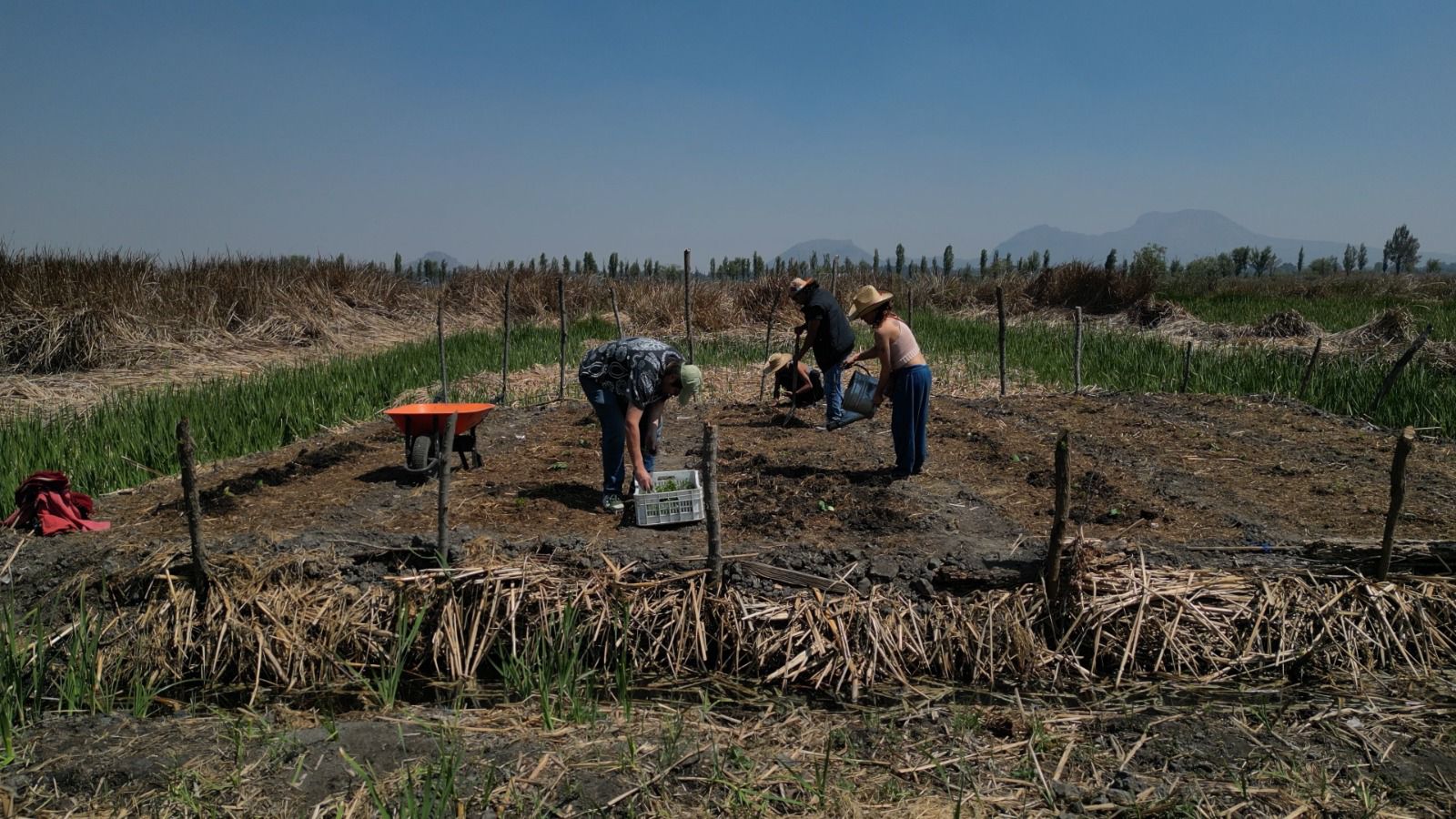
Chinampa restoration includes the recovery of native vegetation. Particularly important is the ahuejote, the traditional tree of the chinampa landscape. Vegetation recovery is complemented by the recovery of canals and water flow.
Agriculture as a Conservation Tool
The restored chinampa should not simply become a demonstration space. It must recover its productive function. Agriculture works here as a conservation tool: a productive chinampa is a living chinampa. The recovery of production also strengthens chinampa families and preserves traditional knowledge.
Axolotl Habitat Recovery
The entire project has as one of its fundamental environmental goals the recovery of the habitat of the Mexican axolotl (Ambystoma mexicanum). But the strategy is not simply to introduce axolotls. First we must recover the ecosystem. Restoring the wetland is restoring the axolotl's habitat.
A Project Already Underway
A fundamental characteristic of this proposal is that it is not a conceptual project. Santuario Ajolote already has prior experience in the area and restoration infrastructure developed through the Agua por Xochimilco program. The installed biofilters were operational during 2025 and the system had shown significant improvement in its operating conditions.
Historical Knowledge to Restore the Future
A particularly important part of the project is the recovery of historical information. Historical photographs, maps, and territorial observations have been used to identify former water bodies, canals, and chinampa layouts. This allows the restoration to be not only a contemporary intervention. It seeks to recover part of the ecological structure that previously existed.
Social Component
Environmental restoration cannot be separated from the community. Therefore, the project works directly with producers and chinampa families. The model developed by Santuario Ajolote seeks to demonstrate that environmental conservation and community economic development can be complementary.
Replicable Restoration Model
One of the most important objectives of the project is to develop a model that can be replicated in other areas of Xochimilco. If the model works in San Gregorio Atlapulco, it can be adapted to other canal and chinampa systems.
Expected Impact
The recovery of the system will generate simultaneous benefits across multiple dimensions.
Environmental
- •Recovery of hydrological connectivity
- •Improved water conditions
- •Habitat recovery
- •Increased biodiversity
- •Recovery of native vegetation
Agricultural
- •Recovery of productive surfaces
- •Strengthening of chinampa agriculture
- •Conservation of traditional techniques
- •Recovery of local seeds and crops
Social
- •Strengthening of producers
- •Community participation
- •Recovery of traditional knowledge
- •Generation of local capacities
Conservation
- •Recovery of axolotl habitat
- •Strengthening of the wetland network
- •Generation of scientific information
- •Construction of a replicable model
A Socio-Ecological Restoration Model
Agua por Xochimilco should not be understood solely as a hydraulic work. It is a socio-ecological restoration project. Recovering water without recovering chinampas would be insufficient. Recovering chinampas without recovering producers would be insufficient. Recovering producers without recovering water would be insufficient. And recovering water and chinampas without recovering the community fabric would also not be enough.
Vision
Santuario Ajolote's vision is to progressively recover the ecological functionality of the Xochimilco wetland through a connected network of restored chinampas, functional canals, biofilters, artificial wetlands, sustainable agriculture, and organized communities. The ultimate goal is for environmental restoration to cease being a series of isolated actions and become a permanent system of wetland recovery.
Aerial Flyover
See the restoration site from above
Project Gallery
Visual record of the restoration process
Support This Project
Your help makes the restoration of the San Gregorio Atlapulco wetland possible. Donate or contact us to collaborate as a company.
Make a Donation
Every contribution funds chinampa restoration, canal recovery, and axolotl habitat protection.
Donate nowCorporate Support
Is your company interested in supporting conservation? Contact us and let's build a partnership for the axolotl.
Contact via WhatsApp